The Cost of Disconnection
What today’s beauty brands are getting wrong.
When Iconic Beauty Brands Lose Momentum, It’s Not About Product. It’s About Connection.
Over the last year, several legacy beauty brands founded by industry pioneers have quietly entered a new phase. Not collapse, not irrelevance, but recalibration. When brands like Anastasia Beverly Hills, Pat McGrath Labs, and Fenty Beauty are put up for sale or publicly reassessed, the conversation often turns to performance, valuation, or market fatigue. But from inside the industry, the story is more nuanced.
These brands were never built on hype alone. They were built on expertise, innovation, and genuine cultural impact. Anastasia reshaped brow culture and leveraged the rise of beauty influencers before most brands understood their power. Pat McGrath changed the language of makeup entirely, influencing runways, editorials, and artistry for decades before launching her own line. Rihanna shifted the industry with Fenty by forcing inclusivity into the mainstream conversation in a way no one could ignore.
So why does it feel like momentum is stalling?
According to reporting from Business of Fashion, Vogue Business, and WWD, many beauty conglomerates and investment groups are reassessing long-term growth potential across their portfolios. The market is crowded. Customer acquisition is expensive. Retail shelves are saturated. Sephora alone continues to expand brand count, creating a hypercompetitive environment where visibility does not equal loyalty.
What’s being exposed isn’t a failure of product. It’s a fracture in connection.
Celebrity-backed brands like Rhode and Rare Beauty who just announced will be in Ulta this year dominate cultural conversation right now, largely because they excel at relatability and narrative. But the real question isn’t whether they’re successful today. It’s whether that momentum is sustainable over the next decade. Beauty history shows us that virality fades faster than trust.
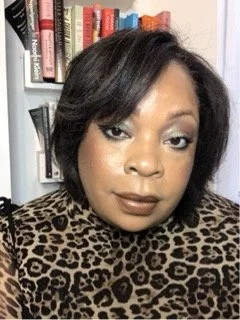
From my seat as a working artist, strategist, and former retail manager, I see where the disconnect happens. Consumers walk into stores overwhelmed. They see a look online, buy the product, take it home, and realize they don’t know how to recreate what sold them in the first place. The customer experience ends at checkout. Education is missing. Confidence is missing. Retention suffers.
For brands like Anastasia Beverly Hills and Pat McGrath Labs, the challenge is different. Their products are exceptional. Their founders are legends. But the value proposition is often best understood by artists, editors, and insiders. Translating that level of artistry into something digestible for the everyday consumer requires a different kind of storytelling. Not louder marketing. Clearer guidance.
Fenty Beauty presents another tension. It is a household name, but it’s also deeply tied to Rihanna’s presence. The industry is already asking the uncomfortable question of what happens when the founder is no longer the face of the brand. Longevity demands systems, education, and community that exist beyond celebrity.
This is where the beauty industry has to evolve.
Retail, pop-ups, and influencer campaigns still matter. But they are no longer enough on their own. Brands need experiential touchpoints where consumers can learn, feel, test, and understand products in real time. They need environments that allow professionals to demonstrate value and consumers to build confidence.
That gap is exactly why I built Triple Eight Creative.
Through our 888 Partnerships, we design beauty experiences that prioritize clarity. We create moments where clients don’t just purchase products but understand how to use them. Where beauty professionals are empowered to educate instead of sell blindly. Where brands are introduced through context, care, and human connection.
This isn’t about dismissing legacy brands or glorifying new ones. These companies are not failing. They are being challenged to adapt. And adaptation now means prioritizing customer experience as much as innovation.
Retention comes from trust. Growth comes from understanding. Customers become brand ambassadors when they feel supported, not sold to.
The future of beauty belongs to brands that slow down long enough to teach people how to show up beautifully. And that clarity is what the industry has been missing.
Want a little more clarity about winter beauty? Check out the Winter Edit our seasonal campaign is everything you need to get your skin, hair, and makeup through winter.
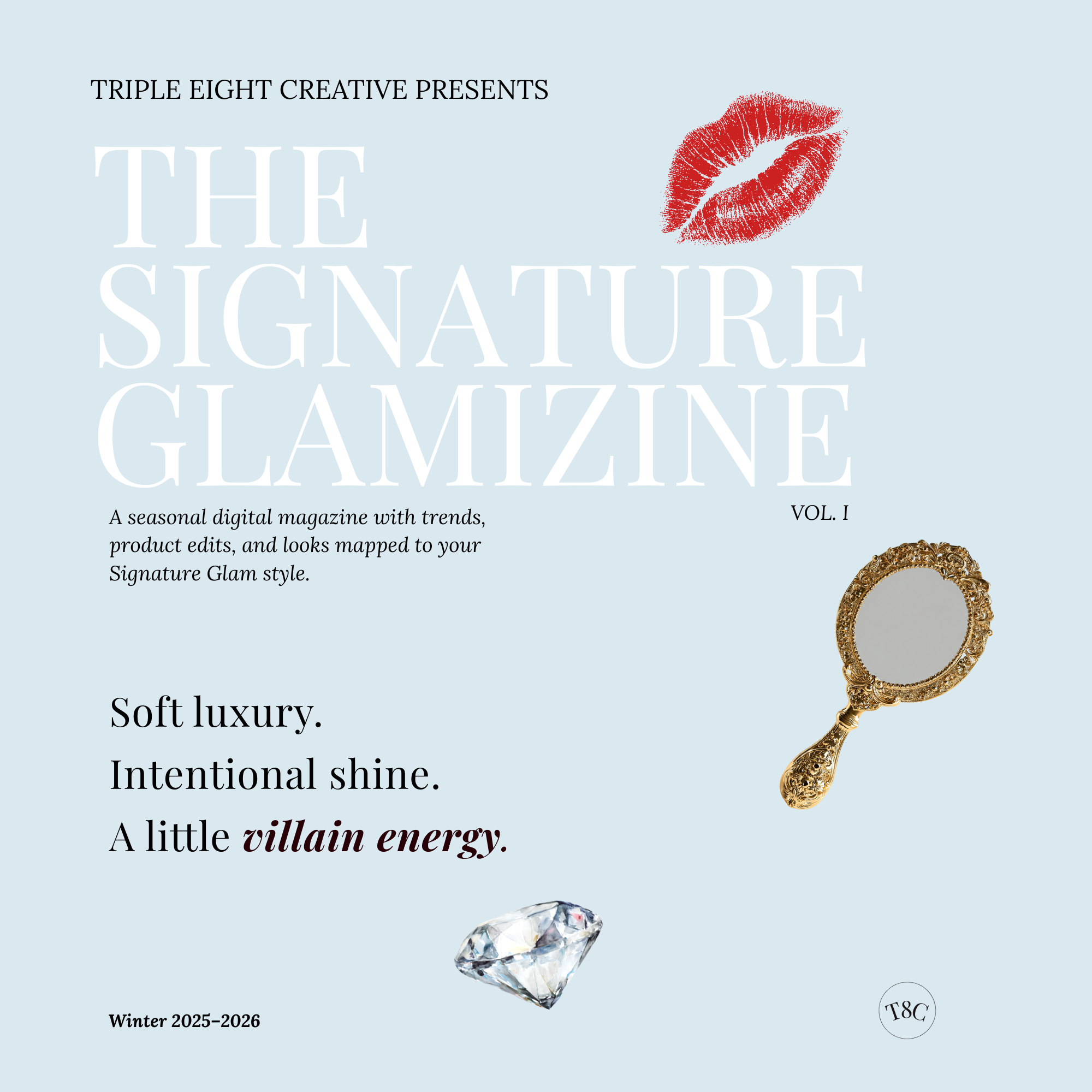
This is your Winter Edit in one place.
The Signature GlamaZine is a seasonal digital magazine that breaks down what’s trending, what actually works, and how to make it look like you, not a random tutorial.
Expect product edits, skin and hair shifts for cold weather, and Signature Glam styling that makes getting ready feel easier.
Trends made wearable by glam style
Curated product edit so you stop wasting money
Winter skin and hair shifts that actually matter
Looks that work for everyday, date night, and fashion week energy
Start with the Signature Glam Test. Then grab the issue.
Want a little more? Our Winter Beauty Guide breaks down all the trends for your Signature Glam Style and gives you tips on how to update your makeup.