You Don’t Know What Breaks Until You Build It
What Beautycon, Create & Cultivate, and CultureCon are teaching me about access, feedback, and building experiences at scale.
As a founder and someone who curates beauty experiences, I go into conferences with a different perspective than I did years ago. I’m paying attention to the programming and the people, but I’m also looking at the flow, the partnerships, the vendors, where people naturally gather, where they get frustrated, and what happens when thousands of people are trying to experience something at the same time.
I remember going to my first Create & Cultivate conference in 2017 and thinking,
I want to build something like this one day.
Maybe not at that scale, but I also know it never really starts there. You build something people want to be part of, demand grows, more people want access, and eventually you have to figure out how to accommodate the community you created.
Over the past month, I’ve watched the discourse around Beautycon, Create & Cultivate, and now CultureCon. I’ve only personally attended one of those three recently, so I can’t speak to every attendee experience.
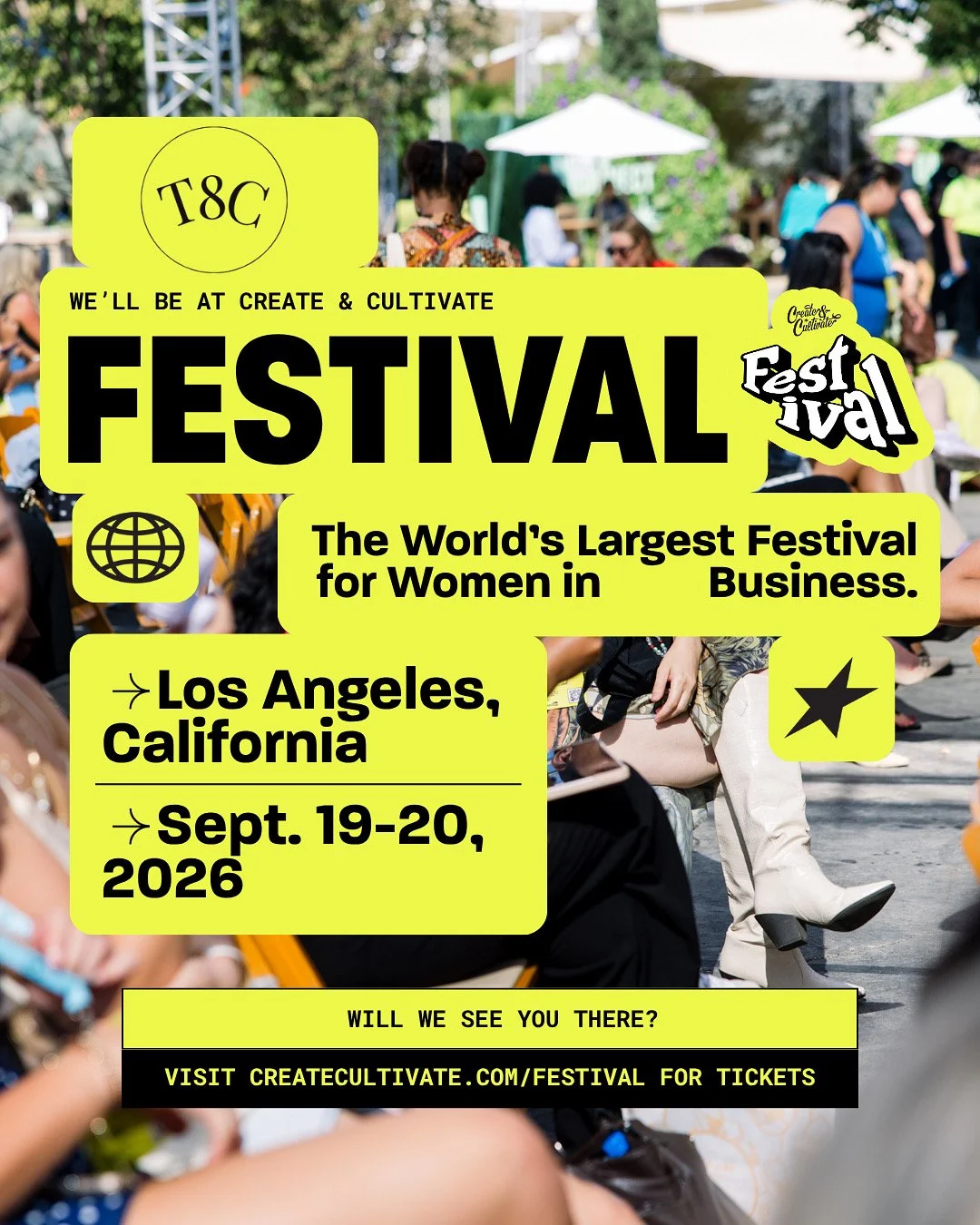
Triple Eight Creative did activate at Create & Cultivate in LA, which gave me another perspective on what an event feels like from the brand side. And one thing I think gets lost in some of these conversations is that the feedback itself is data.
As a founder, what people loved, hated, couldn’t find, waited too long for, or wished they had more access to tells you something about what you built and what needs to change.
Sometimes you simply don’t know what the problem is until you build the thing.
I’ve hosted events where I expected more than 100 people, and some of the things I realized I could have done better were things I never would have thought of before people actually entered the room. Then I planned the next event differently. The flow got better. I adjusted. I learned. And every experience gave me information that made the next one stronger.
That was part of what I thought about at CultureCon.
I could see the intention behind expanding access, developing the programming, and creating more ways for people to experience the conference. But more access also creates more operational complexity. More people means more lines, more movement, more signage, more questions, more places for communication to break down, and more variables you probably won’t discover until thousands of people are actually there.
I experienced a little of that myself. I was hosting a Braindate session and arrived later than I planned. When I saw the line outside, I panicked because I had somewhere inside that building I needed to be. I found someone working the event, showed them my credentials, and thankfully made it to my session on time.
Only one person made it to a session that was supposed to have eight.
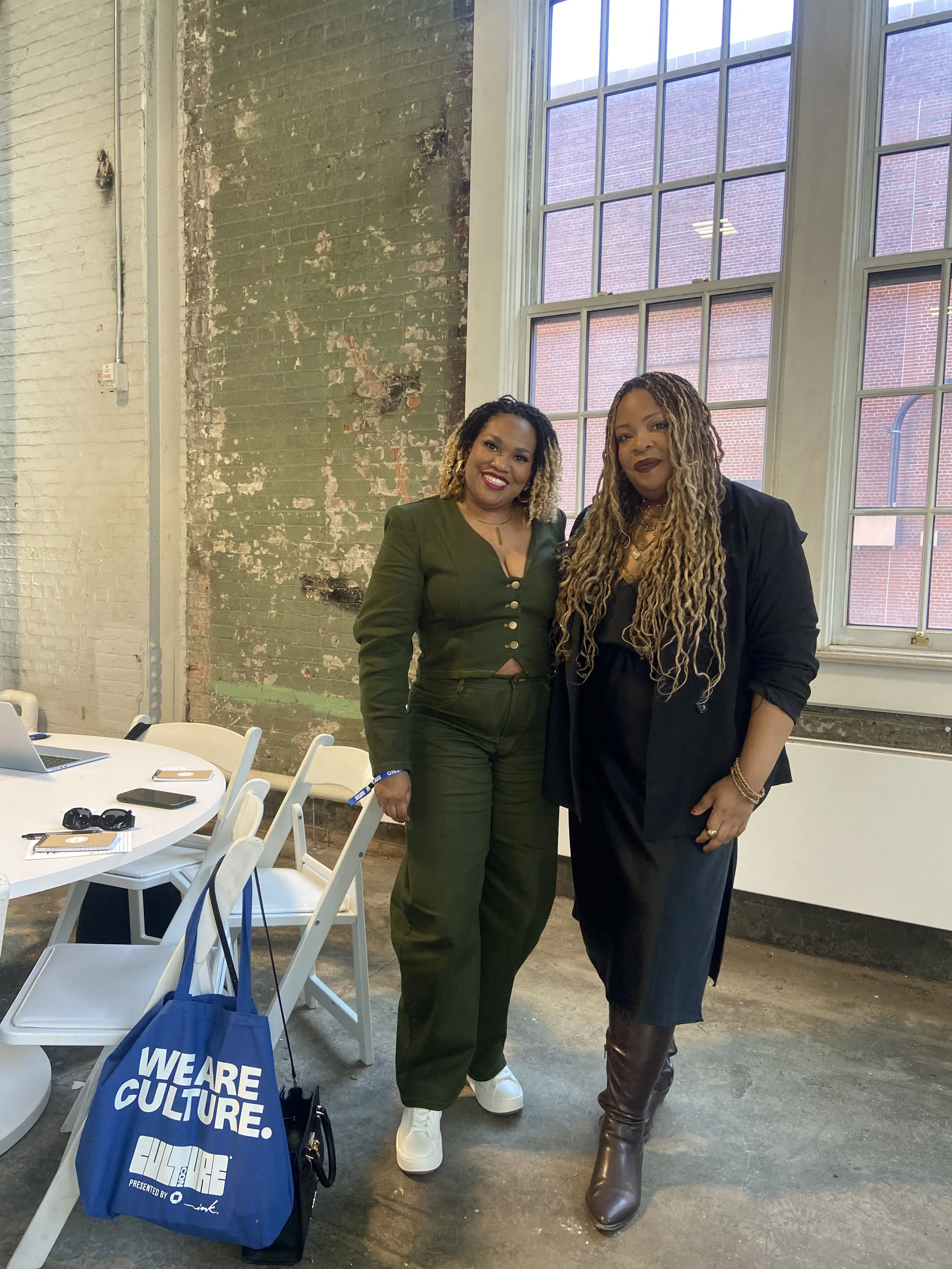
I won’t pretend my ego didn’t take a tiny hit. I had built the experience for a group, brought notebooks for everyone, and immediately started wondering whether the person sitting across from me was getting what she signed up for. But we ended up having an incredible one-on-one conversation. And once my founder brain kicked in, I also started thinking about the people who may have been stuck outside, couldn’t find the space, or simply got pulled into one of the hundred other things happening around them.
That doesn’t mean there wasn’t a problem. It means there is information in the problem.
The rest of my day reinforced something else I’ve learned about conferences: you have to know why you’re there.
I wasn’t going to CultureCon with the expectation that I would see every panel, try every activation, and leave with everything the ticket could offer.
I wanted to make connections. The only panel I sat in on was the beauty and fashion conversation, and I actually left it early because something said onstage gave me an idea.
I wanted to find Darrell, founder of Crowned Skin, and show him Signature Glam and Char, particularly how I’m thinking about helping men discover the products they need and even find the language to ask for them. I found him and got to have that conversation.
I met vendors I’d like to bring into future Triple Eight Creative experiences. I ran into Marina, CEO of Create & Cultivate, and finally had the opportunity to connect with someone I had been wanting to meet. Those moments mattered to me more than checking every experience off a list.
Were there long lines? Absolutely. Was it overwhelming at times? Yes. But I also think we have to be realistic about what happens when thousands of people want access to the same thing.
A conference ticket gives you access to an ecosystem of experiences. It doesn’t guarantee that you’ll personally experience every single one of them exactly when or how you want to. That means I plan differently for a large conference than I would for an intimate dinner, a 50-person founder event, or one of the curated experiences I create through Triple Eight Creative.
If I want intimacy and easy access, I choose a smaller room. If I’m walking into a conference with thousands of people, I go in knowing that I need to prioritize.
And yes, organizers still have a responsibility to listen. Lines, accessibility, wayfinding, capacity, communication and the overall experience matter. If something didn’t work, tell them. Fill out the feedback form. Give them the information they need to build it better next year.
Because I think two things can be true at once: we should hold the experiences we pay for to a standard, and we should understand that scaling an experience is messy.
As someone who wants to build something big myself, I’m paying attention to both sides. I want Triple Eight Creative to grow. I want more people to have access to what we’re building. And I also know that the bigger the room becomes, the harder I’m going to have to work to make each person still feel considered.
Maybe that’s the real challenge of scale. It’s not simply figuring out how to fit more people into the room.
It’s figuring out how to make a bigger room still feel like somebody thought about you.