The Beauty Edit: The Counter Is Calling
What Patrick Ta, Painted by Esther, and the future of beauty retail reveal about connection, credit,and why I’m hosting The New Beauty Counter during NYC Tech Week.
The beauty conversation this week is not really about blush.
It is about credit. Access. Community.Who gets taken seriously? Who gets studied in silence? Who gets turned into a product after doing the work publicly, beautifully, and often without the same level of industry protection.
The conversation around Patrick Ta’s transition blush launch and Painted by Esther has been loud for a reason. Painted by Esther, also known as Ngozi Esther Edeme, helped make bold, layered blush feel exciting again, especially on deeper skin tones.
Her work did what beauty at its best is supposed to do. It made people feel seen. It made people want to try. It made people feel like color was for them, too.
That is the part brands keep missing.
The technique itself may not be new. Beauty rarely works that way. Makeup is a living archive. Artists pull from the past, reinterpret, remix, and make things feel current. But the issue is not whether one person invented blush placement.
The issue is what happens when a Black woman artist helps popularize a look, builds community around it, teaches people how to see themselves differently, and then watches a larger brand commercialize the language and feeling without the same level of acknowledgment.
That is where the industry keeps getting uncomfortable. Because this is not just about product development. It is about power.
Beauty professionals, especially Black women MUAs, are constantly expected to share, teach, inspire, and perform expertise. We are mood boards. We are references. We are the “vibe.” We are the reason the look works.
But when it is time to build the product, name the trend, own the language, or sit at the table, suddenly our contribution becomes hard to trace.
Funny how that works.
This is why I keep saying the industry doesn't need more products or launches,it needs connection.
Customers are not bored with beauty. They are overwhelmed by beauty that does not speak to them clearly. They see a trend. They buy the product. They try to recreate the look. Then the experience falls apart because no one taught them what to do next.
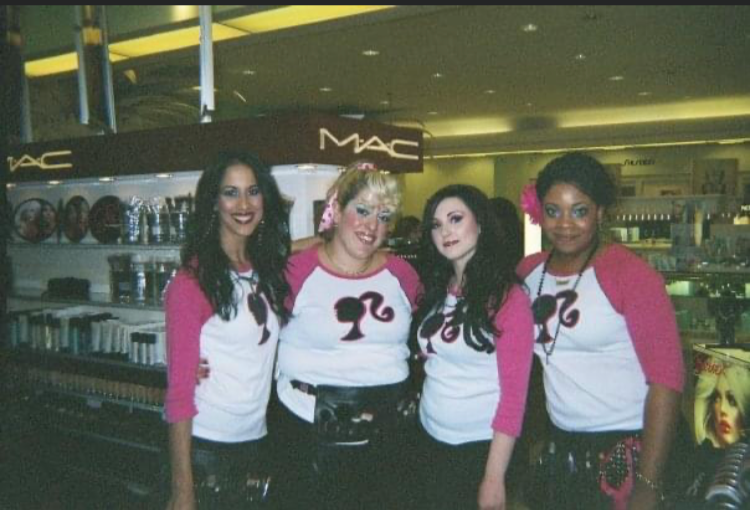
MAC Cosmetics Macys, FL
That gap is where the old beauty counter used to live.
And I know that feeling because I lived it at MAC.
Before beauty retail became so algorithm-driven, the MAC counter, honestly, beauty counters in general, were a place where artistry still led. It was where people came to learn, not just buy. It was where artists translated trends into real life and helped clients understand their face, undertone, eye shape, skin, and their confidence.
The counter had energy. It had language. It had community.
And then MAC entered the chat.
That part matters to me because I know what MAC can be when it remembers its own power. MAC recently featured Painted by Esther and Olandria in MACzine, centering Esther’s blush expertise and Olandria’s deep-skin beauty in a way that felt like the brand understood the assignment. It was product, artistry, muse, and community working together. That is the difference.
It was also a reminder of what happens when a legacy brand uses its platform to highlight the artist instead of quietly benefiting from the trend. MAC did not need to pretend the technique appeared out of thin air. They put the artist in the story. They let the work speak. They made the connection visible.
That is what I mean when I say the beauty counter feeling is not gone forever.
It still exists when brands choose to center the people who create the culture, not just the products that come after it.
As someone who lived inside MAC on and off for 20 years, that hit differently.
Because I know the brand has always been strongest when artists were treated as the heartbeat, not the accessory.
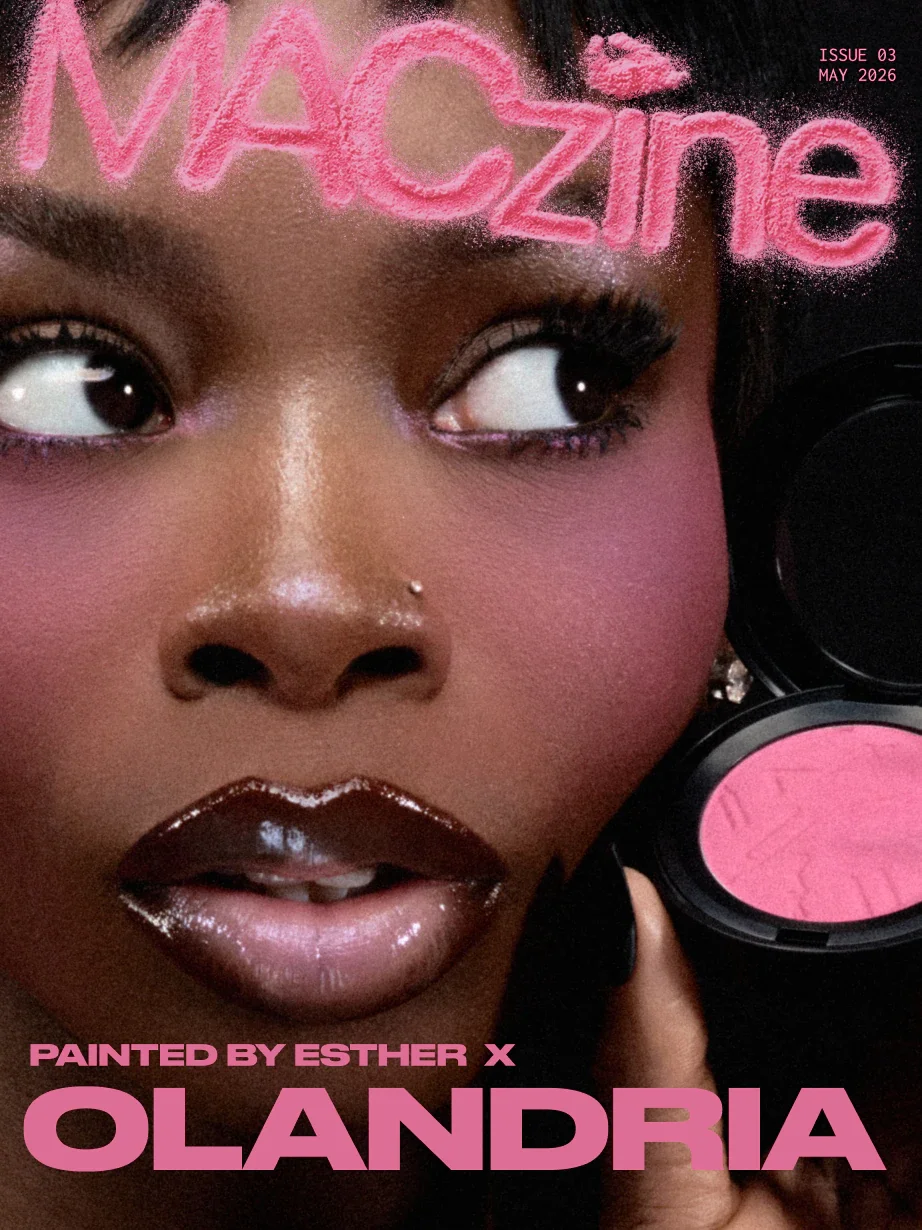
MAC Collaboration with Painted By Esther and Olandria. This is truly what building community means.
MAC taught a lot of us that the artist was never just there to apply product. The artist was the educator, the translator, the connector, and sometimes the reason a client trusted beauty again. Especially for Black and queer communities, MAC was one of the few beauty spaces where people could walk in and feel seen, not tolerated.
That is the feeling I keep coming back to.
Not because I want beauty to go backward, but because I know what happens when artistry, product, and human connection work together. That is what brands are trying to recreate now with influencers, launches, and viral moments, but the original magic was never the product alone. It was the person behind the counter who knew how to make the product make sense.
The beauty counter was never just about buying a lipstick. It was where you learned what worked. Where an artist could look at your skin, your undertone, your features, your mood, and say, “Try this.” It was where the product became personal. Where a client could walk in confused and leave with language for themselves.
That feeling got lost.
Retail scaled. Influencers became the new counter. TikTok became the new artist recommendation. Brands started chasing viral language instead of listening to the professionals and customers who create the feeling in the first place.
And now we are here. Watching the same cycle repeat.
A look starts with community. A Black woman artist makes it feel possible. The internet catches on. A brand sees the momentum. A product appears. Then everyone argues about whether credit matters.
Credit matters.
Because real credit is not just a tag after backlash.
Real credit is a partnership. Compensation. Collaboration. Product development access. Campaign visibility. Education opportunities. The chance to build with the brand before the internet forces the conversation.
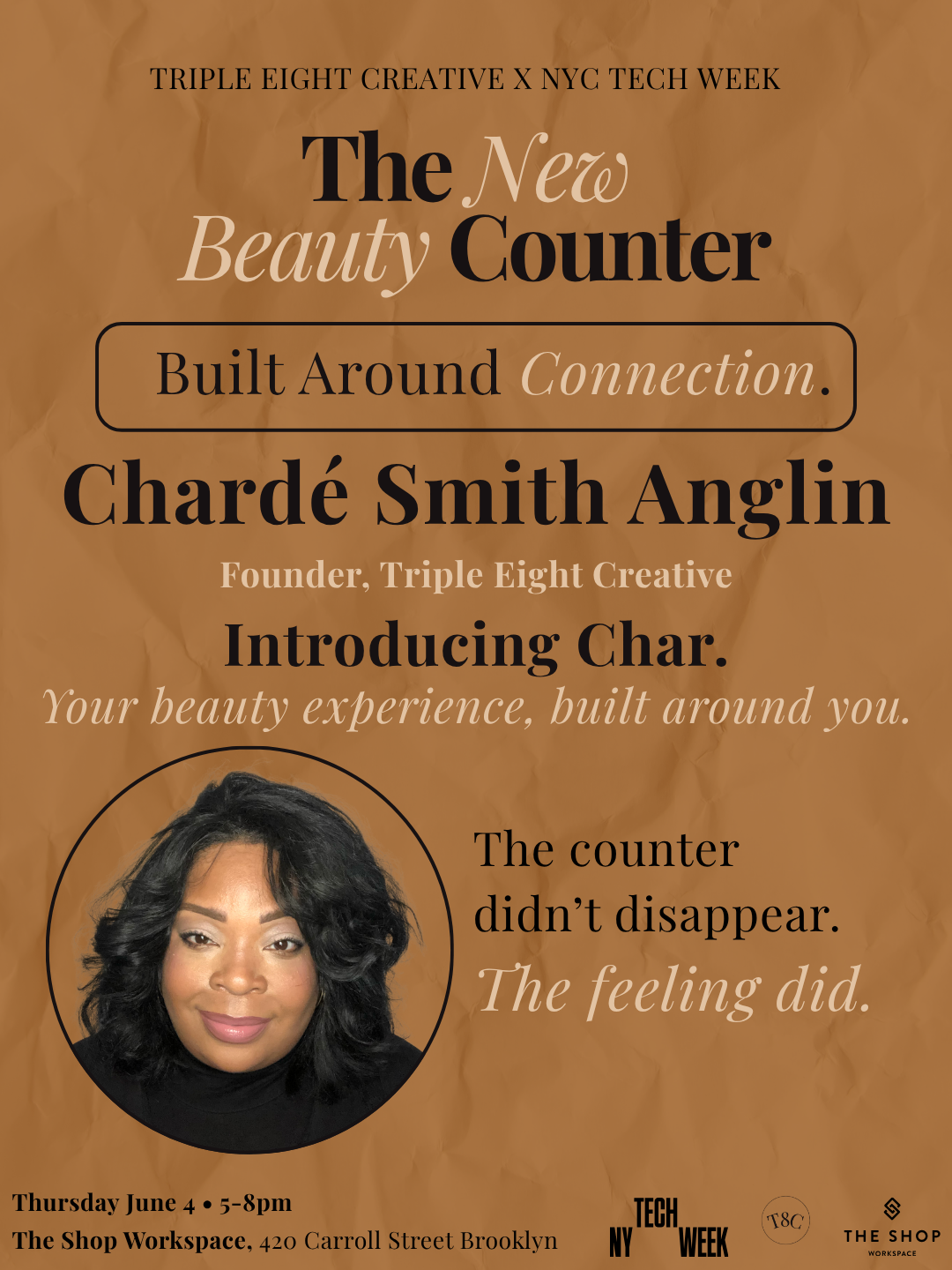
This is exactly why I’m hosting The New Beauty Counter during NYC Tech Week.
I have been talking about this across Beauty Edits for months. Brands are missing the mark because they keep trying to solve the connection with more content, more product, and more influencer moments. But the customer is asking for something much simpler and much harder to fake.
They want clarity.
They want to feel like the brand understands them.
They want trusted professionals in the room.
They want community without chaos.
They want beauty to feel fun again.
The New Beauty Counter is my answer to that.
The event is a Signature Glam pop-up, panel, fireside conversation, and live Char soft launch. Guests will arrive, take the Signature Glam Test, receive their beauty identity, and move through an experience before the conversation even begins. By the time we sit down to talk about what happened to the beauty counter, the room will have already lived the answer.
That is intentional.
Because Triple Eight Creative was built to bridge the gap between brands and customers. We help both sides understand each other better. The client gets clarity. The brand gets connection. The artist becomes the translator, not the afterthought.
The future is experience. Education. Community. Technology that supports the human touch instead of replacing it.
That is where Char comes in. Char is not here to remove the artist. Char is here to help the client get to clarity faster, then make the experience more personal, more useful, and more connected.
The beauty counter did not disappear.
The feeling did.
And if brands want to win in this next era, they need to stop treating artists as inspiration and start treating them as infrastructure. They need to stop chasing trends after the community builds them and start building with the people who understand the customer in real time.
Painted by Esther did not just blush popular.
She invited people into beauty in a way that felt joyful, specific, and personal.
That feeling is the product.
The New Beauty Counter is not about nostalgia. It is about rebuilding the part of beauty that made people trust the process in the first place.
The artist.
The conversation.
The confidence.
The moment someone looks in the mirror and finally sees what was possible all along.
That is what beauty is supposed to do.
And that is exactly the conversation we are having during NYC Tech Week.